




What Does BBL Mean?
The BBL buzz in the world of plastic surgery may have made you wonder, “What does BBL mean?” This term has taken the social media world by storm, as many celebrities and influencers continue to use it in beauty conversations, showcasing their enhanced body shapes after undergoing the procedure.
BBL stands for “Brazilian Butt Lift”, a surgical procedure performed to reshape and augment a patient’s buttocks using their own body fat. BBL involves removing fat from other areas of the body, often referred to as “liposuction.” The fat is then processed and injected into specific points of the buttocks to create a more rounded, voluminous, and “hourglass-like” shape.
What Is “BBL Smell”? — Understanding the BBL Smell Meaning
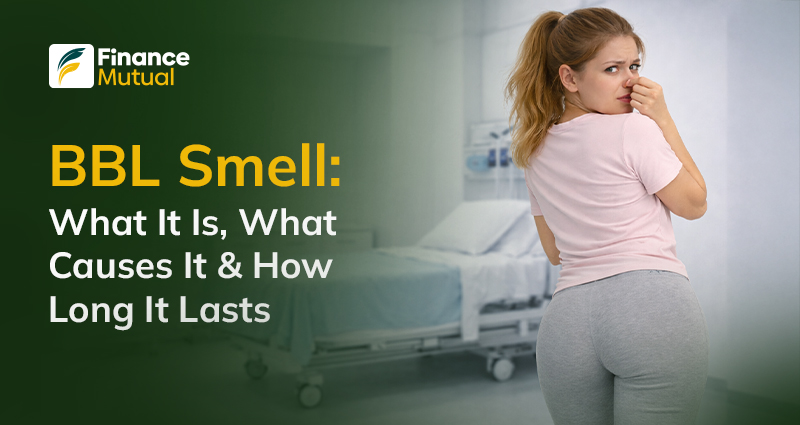
There’s a lot of curiosity and controversy about the “BBL smell” and whether it’s real or not. BBL smell refers to an unpleasant odour that some patients experience after a Brazilian Butt Lift procedure. It has been variably described as sour, musty, rancid, or having a somewhat decomposing organic material-like odor.
Do BBLs Stink or Smell Bad?
As per some patients, yes, the recovery period is accompanied by an undesirable BBL smell. Many surgeons believe that a persistent, strong odor is not a typical part of the healing process and may indicate other underlying issues.
As per Dr. Michael Keyes, a member of the American Society of Plastic Surgeons, BBL smell is not an expected outcome of a BBL procedure if it’s performed under sterile conditions with proper post-operative care. However, the social media buzz has exaggerated the issue and misattributed postoperative experiences.
There are a few other perspectives as well:
- Some patients notice a foul smell when the wounds are still draining or when they’re wearing compression garments.
- Some surgeons affirm that a BBL smell is “rare” if the surgical site heals properly and the patient maintains good hygiene.
- Others attribute the bad odor to aftercare challenges, not to the surgery itself.
Why Do BBLs Stink? — Common Causes of BBL Odor
Several factors have been observed to contribute to the unpleasant odor associated with the Brazilian Butt Lift. Some of them have been listed below:
1. Moisture, Sweat & Bacterial Growth
After the surgery, most patients are inactive and spend most of their time sitting or lying down. This increases sweat production in the treated area. Sweat combines with bacteria and produces an unpleasant smell. Worn throughout the day, compression garments can also trap heat and moisture, exacerbating the problem.
2. Fluid Drainage From Healing Incisions
The small incisions made during a BBL may sometimes produce an odorless discharge. If not cleaned properly, this discharge can develop a foul-smelling bacterial growth. In some cases, the body rejects some of the transferred fat and struggles to heal, causing fluid drainage containing dead or infected tissue that smells bad.
3. Post-Op Hygiene Challenges
Although you achieve a desirable body shape after BBL, the heavier buttocks make personal hygiene more challenging. Due to the larger surface area, patients may struggle with residual urine or stool after using the restroom. This contributes to the foul BBL smell.
4. Fat Necrosis (Dead Fat Tissue)
In some cases, the blood supply doesn’t keep up with the amount of fat injected into the butt area, which leads to dead fat cells. This condition, called fat necrosis, creates foul-smelling byproducts when the body breaks down dead tissues.
5. Infections
Just like any other surgical procedure, BBLs may result in infections, causing redness, fever, swelling, and a bad smell. When unhealed incisions are exposed to contaminants, bacteria multiply, worsening the smell.
Note: This information is for educational purposes only and should not replace personalized advice from your surgeon.
How Long Does BBL Smell Last?
A mild BBL smell, caused by sweat, fluid drainage, and bacteria, usually lasts for a week and fades as the healing progresses. However, a strong or persistent foul odor that lasts for more than a few days may require medical attention.
Typical Timeline for BBL Odor
- First Week: A temporary, mild odor is common due to incision drainage and sweat trapped under garments, usually resolving with diligent hygiene measures.
- Weeks Two to Four: The smell should improve significantly as the healing advances and swelling subsides.
- After a Month: You shouldn’t notice any smell if healing has been normal. Persistent odor may indicate a potential issue.
Most patients don’t notice any odor once the surgical site is fully healed. Proper care and garment hygiene can help prevent such undesirable conditions.
When To Seek Medical Help for BBL Odor
In some circumstances, it becomes imperative that you consult your surgeon. According to plastic surgery practices such as Alluring Plastic Surgery and Eberbach Plastic Surgery, here’s how a typical early healing odor is different from a complicated, concerning BBL smell:
| Aspect | Typical Healing Odor | Concerning Odor |
|---|---|---|
| How long it lasts | 2 to 7 days | More than 7 to 10 days |
| Odor intensity | Mild but noticeable | Strong, foul, or worsening |
| Incision drainage | Thin, clear, or light pink fluid | Yellow or green drainage; thick consistency; may contain pus |
| Swelling | Mild swelling is common | Severe or increasing swelling |
| Pain level | Gradually improving discomfort | Increasing or severe pain |
| Fever | No fever present | Fever may be present |
| What it usually means | Normal part of the healing process | Possible infection or complication — needs medical attention |
If something feels off, always trust your instincts and contact your doctor to address these concerns. Early treatment prevents further complications and improves your healing timeline.
How To Prevent or Reduce BBL Smell
As commonly said, prevention is better than cure. Doctors have recommended some measures that help reduce or even prevent BBL smell. These include:
- Washing the surgical area regularly with a doctor-recommended gentle antiseptic
- Washing compression garments daily and having fresh ones as backup
- Using breathable, clean undergarments so there’s less moisture retention
- Using gentle wipes if the range of motion is limited
- Avoiding the use of regular powders, deodorants, or perfumes in the surgical area
- Staying hydrated to ensure your body flushes out toxins and facilitates skin repair
- Diligently attending follow-up appointments and following your surgeon’s recommendations
Cost Shouldn’t Stop You From Getting Proper Post-Op Care
Less Financial Stress Can Mean a Smoother Recovery
If you notice signs like a strong or lingering BBL odor, increasing pain, or unusual drainage from your incisions, it’s important to get checked on priority. However, some patients hesitate to attend follow-up visits or treatments because they’re worried about the unexpected post-op care costs.
Worrying about bills and encountering surprise expenses also triggers unnecessary stress and slows down healing. Your health and safety should always come first, especially during the recovery process.
If you feel financially overwhelmed, paying through custom pathways, instead of high upfront amounts, can be a huge relief. Some clinics use patient-friendly payment paths using infrastructures like FinanceMutual™ to reduce this burden.
FinanceMutual™ recommends payment options that are most suited to a patient’s financial reality, creating win-win situations for both patients and clinics.
Conclusion
As some patients report, the BBL smell is a real phenomenon. However, it is important to remember that not all odor is a sign of something serious. While mild and temporary odors are a part of the healing process, patients should trust their instincts and listen to their bodies.
A strong, lingering, or worsening BBL odor when paired with fever, pain, unusual discharge, swelling, etc., shouldn’t be ignored. Reaching out to your surgeon early prevents small issues from converting into bigger health concerns.
Maintaining hygiene, attending follow-up appointments, and asking for help when something doesn’t feel right—all play a big role in a smoother recovery. If cost concerns make you hesitate, know that many clinics offer personalized, flexible payment options to help you focus on your health, comfort, and peace of mind.
FAQs
1. Do BBLs Smell Bad?
Not always. Many patients don’t experience any noticeable smell after a BBL. When a smell occurs, it’s usually mild and short-lived. A foul or strong smell shouldn’t be considered normal, as it may point to infection, fat necrosis, or poor wound healing.
2. Why Does My Butt Stink After BBL Procedure?
If you’re wondering about the foul smell after getting a Brazilian Butt Lift procedure, the most likely reasons include:
- Accumulated sweat and bacteria
- Drainage from incisions
- Inadequate hygiene due to post-surgical limitations
- Compression garment build-up
- Early infection or fat necrosis (less common but possible)
3. Can Poor Hygiene Cause BBL Smell?
Yes. Limited mobility after the surgery makes cleaning difficult, contributing to sweat, moisture, and bacteria build-up. This creates a bad odor and needs proper hygiene measures.
4. Does BBL Smell Mean Something Went Wrong During Surgery?
Not necessarily. A temporary bad smell doesn’t mean that your surgery failed.
5. Does BBL Smell Happen More in Hot or Humid Weather?
Yes, warm and humid environments can increase sweating and moisture build-up, making the BBL smell more noticeable. Patients recovering in hot climates should pay more attention to hygiene, airflow, and garment changes.
6. Can Diet Affect BBL Smell During Recovery?
Indirectly, yes. Diets high in sugar or processed foods may contribute to inflammation or sweating. Staying hydrated and eating nutrient-rich, balanced meals helps minimize unpleasant odors during recovery.