






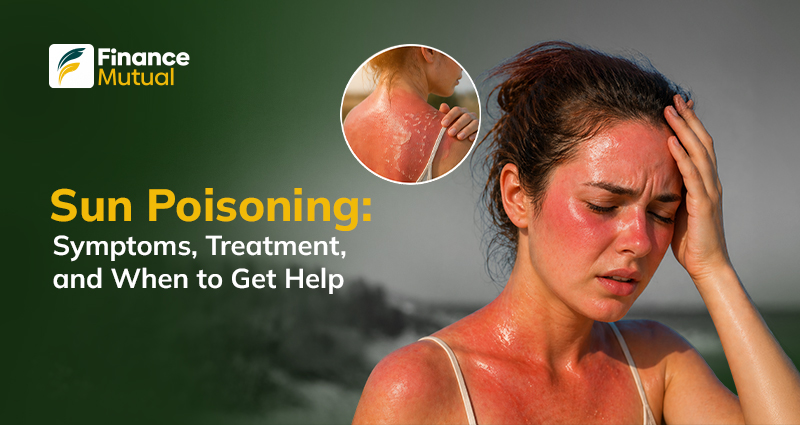
Getting too much sun isn’t always just a simple sunburn. For some people, it turns into something more intense called sun poisoning, where the skin reacts strongly to UV exposure, and the body also starts feeling unwell.
Unlike mild sunburn, sun poisoning symptoms can affect more than just your skin—making you feel tired, sick, and uncomfortable for days. That’s why understanding what’s happening early can help you avoid complications and recover faster.
In this guide, we’ll break down what is sun poisoning, how to recognize it quickly, and what you should actually do when it happens—without confusion or overcomplicated medical terms.
What Is Sun Poisoning?
Sun poisoning is a more severe reaction to prolonged or intense exposure to ultraviolet (UV) rays. It is not actually “poisoning” in the medical sense, but a strong skin and body response to sun damage.
In simple terms, it is an extreme form of sunburn where the skin becomes highly inflamed, and the body may also show symptoms like fatigue, headache, or nausea. Unlike mild sunburn, sun poisoning can affect daily functioning and may take longer to heal.
This condition happens when the skin is unable to recover from UV damage quickly enough, leading to deeper irritation and stronger inflammatory responses.
Quick Answer
What to do for sun poisoning?
Get out of the sun immediately, cool your skin with a cold compress or bath, and stay hydrated.
Sun Poisoning vs Sunburn: What’s the Difference?
While both conditions come from UV exposure, the difference between sun poisoning vs sunburn lies in severity and how the body responds.
| Feature | Sunburn | Sun Poisoning |
| Skin Damage | Affects only the top layer of skin | Causes deeper skin inflammation and stronger irritation |
| Redness & Pain | Mild to moderate redness and discomfort | Severe redness, burning pain, and sensitivity to touch |
| Blisters | May appear in bad sunburn cases, but not always | More common and often more widespread |
| Body Symptoms | Usually limited to skin only | Can include fever, chills, headache, and fatigue |
| Recovery Time | Typically improves within a few days | Can take a week or more, depending on severity |
| Overall Impact | Mostly local skin discomfort | Affects both skin and overall well-being |
In short, sun poisoning is a more intense and widespread reaction compared to a regular sunburn, often requiring more careful treatment and rest.
Early Sun Poisoning Symptoms to Recognize
Sun poisoning doesn’t usually appear instantly—it often starts as a severe sunburn reaction that gradually worsens over a few hours to a day. Recognizing the early signs is important because quick action can prevent the condition from escalating into more painful or systemic symptoms.
If you’re trying to figure out how to know if you have sun poisoning, the key is to look beyond normal sunburn discomfort and focus on how your body is reacting overall, not just your skin.
Initial Warning Signs
- Redness that is more intense than a normal sunburn.
- Persistent burning or stinging sensation that doesn’t ease with cooling.
- Increased skin sensitivity—even light touch may feel painful.
- Appearance of a sunburn rash, often uneven or spreading across exposed areas.
At this stage, many people mistake sun poisoning for a “bad sunburn,” but the intensity and discomfort usually feel out of proportion to the sun exposure time.
Progressing Symptoms
- Noticeable swelling in affected areas, especially face, shoulders, or arms.
- Unusual fatigue or feeling drained even after rest.
- Mild headache that develops as the skin reaction worsens.
- General discomfort that starts affecting daily activity.
These progressing symptoms suggest the reaction is no longer just skin-deep. The body is beginning to respond systemically, which is a key indicator of developing sun poisoning symptoms rather than a simple sunburn.
Severe Sun Poisoning Symptoms (When It Becomes Serious)
When sun exposure goes beyond the skin’s ability to repair itself, symptoms can quickly become more intense and start affecting the whole body. At this stage, it’s no longer just discomfort—it’s a medical concern that needs attention.
Severe sun poisoning symptoms usually appear within 24–48 hours and can worsen if not managed properly.
Skin-Level Severity Signs
- Sun poisoning blisters: Fluid-filled blisters may develop on the skin, similar to second-degree burns. These should never be popped, as they increase the risk of infection.
- Extreme redness and swelling: The skin may appear intensely red, hot to the touch, and visibly inflamed—especially in sensitive areas like the shoulders or sun poisoning on face cases.
- Peeling and inflammation: As the skin starts to repair, it may peel excessively. This is a sign of more serious damage, not just surface-level sunburn.
Body-Level Symptoms
- Fever and chills: Your body may react as if it’s fighting an infection, leading to temperature fluctuations and chills.
- Nausea or dehydration: Loss of fluids due to prolonged sun exposure can cause nausea, dry mouth, and reduced urination—early signs of dehydration.
- Weakness or dizziness: Feeling lightheaded, fatigued, or weak can indicate that heat and UV exposure are affecting your overall system, not just your skin.
Heat Rash vs Sun Poisoning: Key Differences
After spending time in the sun, skin reactions can look similar—but not all are the same. Understanding whether it’s heat rash or sun poisoning is important because the treatment and severity differ significantly.
| Factor | Heat Rash | Sun Poisoning |
| Cause | Sweat trapped in pores due to heat | Overexposure to UV rays causes skin damage |
| Skin Appearance | Small red bumps or tiny blisters | Severe redness, swelling, and blisters |
| Common Areas | Neck, chest, back, skin folds | Sun-exposed areas like shoulders, arms, and face |
| Pain Level | Mild discomfort or prickly feeling | Burning pain, tenderness, high sensitivity |
| Itching | Common and often intense | May occur, but usually with pain and inflammation |
| Body Symptoms | Rare (mostly skin-only issue) | Fever, fatigue, nausea, dehydration |
| Severity | Mild and temporary | Can become serious if untreated |
| Healing Time | Usually clears in 1–3 days | May take several days to weeks, depending on the severity |
Why is my sunburn purple?
A sunburn can look purple when the skin is severely inflamed and damaged by UV rays. This happens because blood vessels under the skin become irritated and leak slightly, causing discoloration.
Why is my sunburn itchy?
A sunburn becomes itchy because your skin is healing after UV damage. The burn triggers inflammation and releases chemicals that irritate nerve endings, causing that itchy feeling.
Immediate Sun Poisoning Treatment (First Response Care)
When it comes to sun poisoning treatment, what you do in the first 24 hours can directly impact how severe the condition becomes. At this stage, your goal is simple: cool the skin, rehydrate the body, and prevent further damage.
First 24 Hours Action Plan
- Move to shade immediately: Get out of the sun as soon as you feel burning or discomfort. Staying in the sun will make it worse.
- Cool compress or cold shower (not ice): Use a cool cloth or take a cool shower to calm your skin. Don’t use ice directly—it can hurt your skin more.
- Hydration (water + electrolytes): Drink lots of water. You can also drink fluids with electrolytes to help your body recover faster.
Skin Relief Care
- Use gentle moisturizers: Apply aloe vera or a simple, fragrance-free moisturizer to soothe your skin.
- Avoid sun exposure completely: Stay out of the sun until your skin heals. Even a little exposure can make it worse.
Following these steps can help you treat sun poisoning safely at home and speed up recovery without causing further damage.
How to Treat Sun Poisoning Safely at Home
Once the initial care is done, the next step is to help your body recover properly at home. The focus here is simple: rest, protect your skin, and avoid anything that can make irritation worse.
Rest and Recovery Environment
Your body needs time to heal, so give it the right environment:
- Stay in a cool, shaded place (avoid heat and sunlight)
- Rest as much as possible—fatigue is common with sun poisoning symptoms
- Wear loose, soft clothing to avoid rubbing against sensitive skin
Avoiding Heat Triggers
Heat can slow down healing and increase irritation:
- Avoid hot showers, saunas, or warm environments
- Stay away from direct sunlight completely
- Don’t do intense physical activity until your skin improves
Gentle Skincare Routine
Your skin is damaged and sensitive, so keep things simple:
- Use mild, fragrance-free moisturizers to keep skin hydrated
- Apply aloe vera or soothing lotions for relief
- Avoid scrubs, exfoliants, or strong skincare products
- Let peeling skin heal naturally—don’t pick or scratch
Managing Treatment Costs with FinanceMutual™
If sun poisoning gets serious, you might need a doctor visit, medicines, or even urgent care. The problem is, many people delay treatment because of the cost—especially if they don’t have insurance or aren’t sure how much they’ll have to pay.
That’s where FinanceMutual™ makes things easier. It gives you your preferred way to handle medical bills, so you don’t have to choose between your health and your budget.
Instead of giving you just one way to pay, FinanceMutual™ adjusts based on your situation:
1. Full Commitment Upfront: The full treatment commitment is completed in a single transaction, creating a fast, seamless path to care without ongoing payment management.
2. Structured Care Plan: Treatment costs are distributed across flexible 3, 6, 9, or 12-month tenures.
3. Partial Support + Structured Plan: Built for patients who want to split their commitment between an upfront contribution and scheduled monthly payments.
4. Full Care Support: The complete treatment cost is covered upfront, allowing patients to proceed with recommended care immediately while managing repayment through a structured plan over time.
Final Words
Sun poisoning is more than just a bad sunburn—it’s your body’s way of telling you that the damage has gone beyond the surface. The good news is that with early recognition, proper care, and enough rest, most cases can be managed safely and effectively.
And if your symptoms become severe, getting medical care should never feel like a financial burden. With FinanceMutual™, you have personalized ways to manage treatment costs—so you can focus on recovering instead of worrying about how to pay.
Because when it comes to your health, the right care at the right time makes all the difference.
Frequently Asked Questions
1. Why Does Being In The Sun Make You Tired?
Being in the sun makes you tired because heat and UV exposure dehydrate your body and force it to work harder to cool down, leading to fatigue.
2. How Long Does Sun Poisoning Last?
Sun poisoning usually lasts a few days to a week, depending on severity and how quickly treatment begins.
3. How To Cure Sun Poisoning?
Sun poisoning is treated by cooling the skin, staying hydrated, resting, and using soothing creams like aloe vera. Severe cases may need medical care.
4. How Does The Sun Burn Without Oxygen?
The sun doesn’t need oxygen to burn because it produces energy through nuclear fusion, not combustion.
5. Can You Die From Sun Poisoning?
Sun poisoning is rarely fatal, but severe cases can cause dehydration, heatstroke, or complications if not treated.
6. How To Know If You Have Sun Poisoning?
You may have sun poisoning if you have severe sunburn, blisters, headache, nausea, fever, fatigue, or skin swelling after sun exposure.