




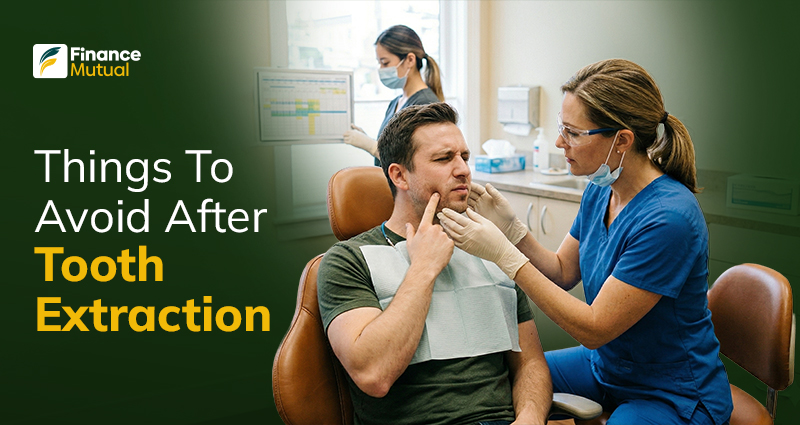
The hardest part is over, but your recovery is just beginning. To ensure a smooth healing process and prevent complications like dry socket, you need to be mindful of specific things to avoid after tooth extraction.
While you’re likely relieved the procedure is finished, the next 24 to 72 hours are critical. Your body is currently forming a blood clot—a "biological scab"—that protects your jawbone and nerves. If this clot is disturbed, it can lead to intense pain and delayed healing.
Did you know that over half of all Americans (53%) have had their wisdom teeth pulled?
SOURCE: YouGov
Critical Mistakes: The Absolute "No-Go" Habits After Oral Surgery
Once the numbness starts wearing off, your main job is to keep that protective blood clot exactly where it is. It sounds simple, but some of our most basic daily habits create a "vacuum effect" in the mouth that can rip that clot right out of the socket. To ensure healing of the normal socket after tooth extraction, you have to hit the pause button on these specific behaviors.
- Avoid Smoking After Tooth Extraction: Smoking can dislodge the blood clot due to suction and slow healing by restricting blood flow. Avoid it for at least 72 hours.
- No Straws Allowed: Using a straw creates suction that can easily pull the clot from its spot. Drink from a cup instead.
- Skip Vigorous Rinsing (and Spitting): Forceful rinsing or spitting can remove the clot. Rinse with salt water.
- Avoid Strenuous Activity: Heavy activity can increase bleeding and disturb healing. Rest for the first 24–48 hours.
- Don't Brush the Site: Brush the other teeth, but avoid the extraction area. Let gentle rinsing clean the site.
- Stop "Checking" the Wound: Touching the area can cause infection. Keep fingers and tongue away.
What Can I Eat After Tooth Extraction?
Here is a quick-reference guide for what to eat after tooth extraction during the first 48 hours.
| Food Category | Recommended Options | Why It’s Safe |
| Proteins | Greek yogurt, silken tofu, protein shakes (spoon-fed), bone broth | High in nutrients to help tissue repair without chewing. |
| Vegetables | Mashed avocado, pureed butternut squash, strained tomato soup | Soft textures that won't get stuck in the socket. |
| Fruits | Smooth applesauce, mashed ripe bananas, fruit purees | Provides natural sugars for energy; easy to swallow. |
| Snacks | Pudding, Jell-O, lukewarm custard, plain hummus | Cooling and soothing a sore or swollen mouth. |
| Hydration | Lukewarm herbal tea, coconut water, plain water | Keeps you hydrated without suction. |
Why No Dairy After Tooth Extraction?
Here is a simple breakdown of why dairy can be one of the things to avoid after tooth extraction:
- Bacteria Risk: Dairy products can leave a thin film or residue in your mouth. This residue serves as "food" for bacteria, which can lead to infection in the open socket.
- Stomach Issues: If your dentist prescribed strong pain meds or antibiotics, dairy can sometimes trigger nausea or vomiting. The physical act of vomiting is one of the fastest ways to accidentally dislodge your blood clot (causing dry socket).
- Mucus Production: Some people find that dairy increases mucus. This might lead to more coughing or throat-clearing, which creates pressure in your mouth that can disturb the healing site.
The Recovery Menu: What to Eat After Tooth Extraction
Once the numbness wears off and the hunger kicks in, the big question is always what can I eat after a tooth extraction that won't actually hurt? Your mouth is fragile, and for the first few days, your diet needs to be as low-impact as possible to aid the healing process.
To help you navigate the transition from liquids back to solids, we’ve put together a recovery menu that focuses on high nutrition with zero chewing effort.
50 Soft Foods to Eat After Tooth Extraction
Here is a comprehensive list to keep your diet varied while ensuring a healthy socket after tooth extraction.
| Savory & Mains | Sweet Treats | Soft Solids | Hydration |
|
|
|
|
Timeline: How Long After Wisdom Teeth Removal Can I Eat Solids?
Setting a realistic timeline for your recovery is the best way to avoid a painful setback. While your appetite might return, your jaw and gums need a slow transition.
Here is a breakdown of what your daily menu should look like:
| Timeline | What to Focus On | Breakfast | Lunch | Dinner |
| Day 1: Liquids & Purees | No-chew diet. Room temperature or cool liquids only to protect the clot. | Lukewarm protein shake (sip from a cup) | Strained, lukewarm tomato or butternut squash soup | Smooth Greek yogurt or creamy chocolate pudding |
| Days 2–3: Soft "No-Chew" | Fork-Mashable. Foods that need zero jaw power but offer more fullness. | Soft scrambled eggs or lukewarm Cream of Wheat | Mashed avocado or lukewarm mashed potatoes with gravy | Silken tofu with soy sauce or lukewarm, smooth lentil soup |
| Day 4–5: Transition | Soft Solids. Beginning to move toward textures like pasta or flaky fish. | A soft pancake soaked in syrup (no fruit chunks) | Overcooked Orzo pasta with a light, smooth sauce | Very soft, flaked salmon or crustless white bread soaked in broth |
Navigating the Cost of Your Dental Care with FinanceMutual™
Healing from a tooth extraction isn't a physical hurdle; it’s a financial one, too. Whether it was an emergency or planned surgery, the bills add up fast. You might have costs for follow-ups, bridges, or implants that catch you off guard.
That’s where FinanceMutual™ helps out. Paying for your health shouldn't be as painful as the surgery. We offer simple resources to help you budget for dental work. We also help you handle those surprise out-of-pocket costs. Whether you're navigating insurance or need flexible funding or flexible payment plans, we have a plan for you. This lets you focus on resting instead of your bank account.
Conclusion
The first few days following oral surgery are the most challenging, but they are also the most important for a long-term, complication-free recovery. While the list of things to avoid after tooth extraction might feel restrictive—especially when all you want is a hot cup of coffee or a real meal—remember that these rules are only temporary.
By being disciplined now, you are shortening the distance between you and your favorite foods. Take this time to rest, stay hydrated, and let your body do what it does best.
FAQs
1. What Foods to Eat After Wisdom Teeth Removal?
During the first 48 hours, focus on high-nutrition foods that require zero chewing effort and are served lukewarm or cool.
- Proteins: Greek yogurt, silken tofu, and protein shakes (spoon-fed).
- Vegetables: Mashed avocado, pureed butternut squash, and strained tomato soup.
- Fruits: Smooth applesauce and mashed ripe bananas.
- Snacks: Pudding, Jell-O, and lukewarm custard.
2. When Can I Eat Solid Food After Tooth Extraction?
The transition back to a normal diet takes 7 or more days.
- Day 1: Liquids and purees (no-chew).
- Days 2–3: Soft "no-chew" foods that are fork-mashable, like scrambled eggs or mashed potatoes.
- Days 4–5: Soft solids like overcooked pasta or flaked salmon.
3. Why Does the Top of My Mouth Hurt When I Eat?
Your mouth is in a fragile state, and hard foods requiring heavy chewing pressure can cause complications. Avoiding these foods is critical to protecting the healing site.
4. What Can I Eat After Wisdom Teeth Removal if I Have a Limited Jaw Opening?
Stick to the liquids and purees, which include options that need zero jaw power:
- Lukewarm protein shakes (sipped from a cup).
- Strained, lukewarm soups (tomato or butternut squash).
- Smooth Greek yogurt or creamy pudding
5. How to Pull out a Tooth at Home?
Attempting to pull out a loose tooth or fragment at home is dangerous. You should always seek professional help to avoid infection or further damage to the extraction site.